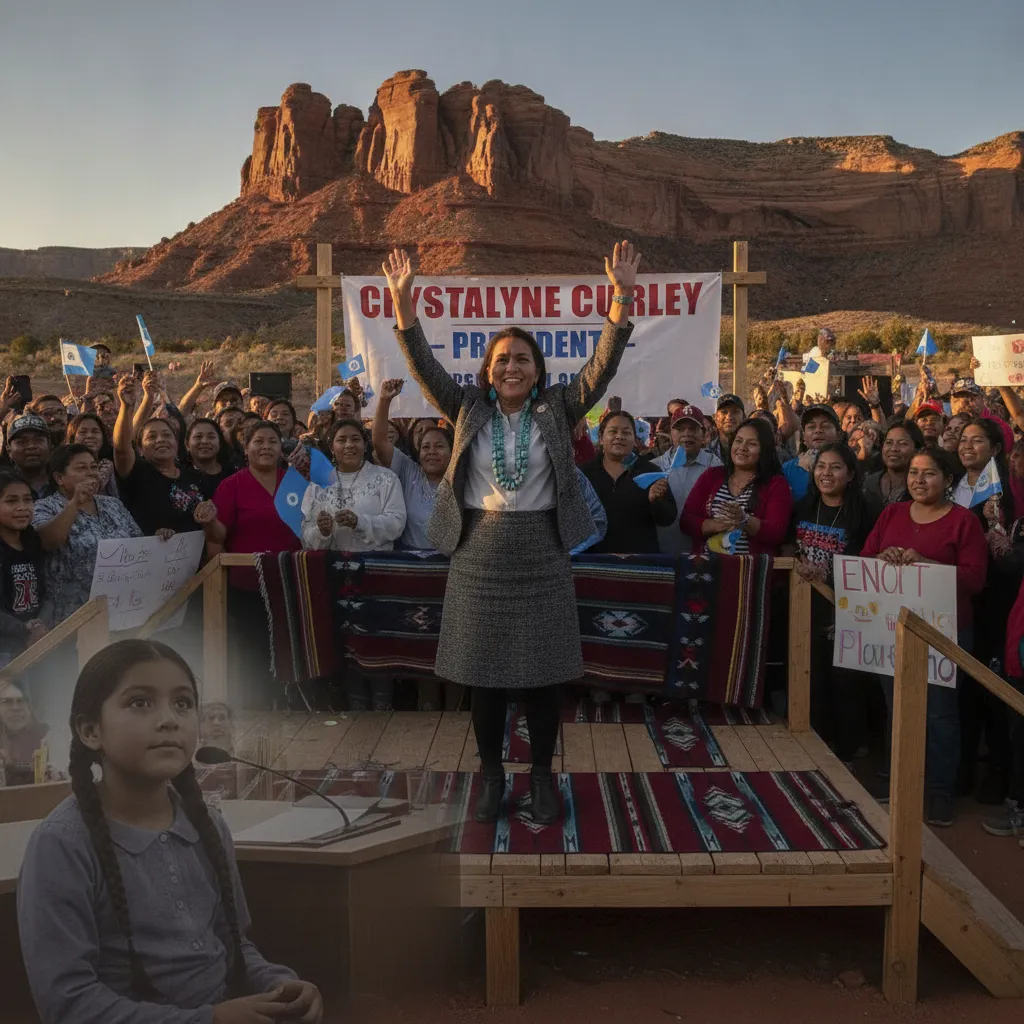
Crystalyne Curley first discovered her passion for politics during a third grade field trip to the Navajo Nation Council, where she watched tribal lawmakers engage in a heated debate. Decades later, that childhood spark culminated in a historic victory as Curley became the first woman elected president of the Navajo Nation. Her win marks a significant departure from over a century of male leadership in one of the largest federally recognized tribes, overcoming deep seated traditions and sexist rhetoric that once suggested the community might not be ready for a female leader.
Curley is far from alone in this surge of representation. In New Mexico, Deb Haaland continues her streak of breaking barriers by becoming the first Native American woman elected as a state governor. Meanwhile, Peggy Flanagan has made history as the first Native American woman ever elected to the U.S. Senate. These victories reflect what strategists describe as a seismic shift in Indigenous political power, moving beyond traditional family and community leadership into formal roles of governance at every level of American society.
The momentum extends across various nations and parties, with the Seneca Nation also electing its first female president in Tina Abrams and several other Native candidates securing seats in Congress. For many of these women, their success is viewed as a collective triumph rather than an individual achievement. From fighting coal dependency on Navajo lands to tackling affordability issues in New Mexico, these leaders enter office carrying both high expectations and the weight of representing generations of women who were previously excluded from these halls of power.